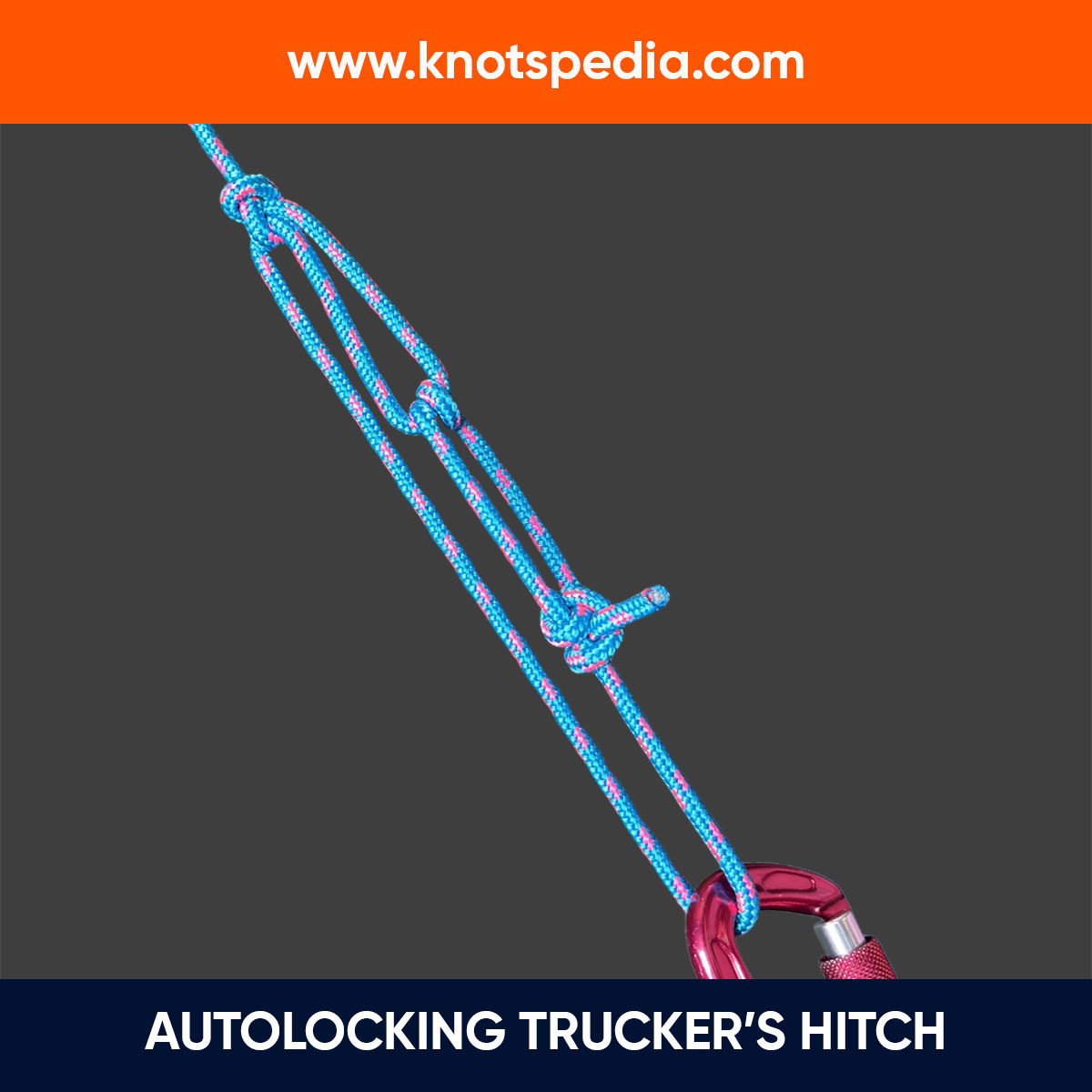

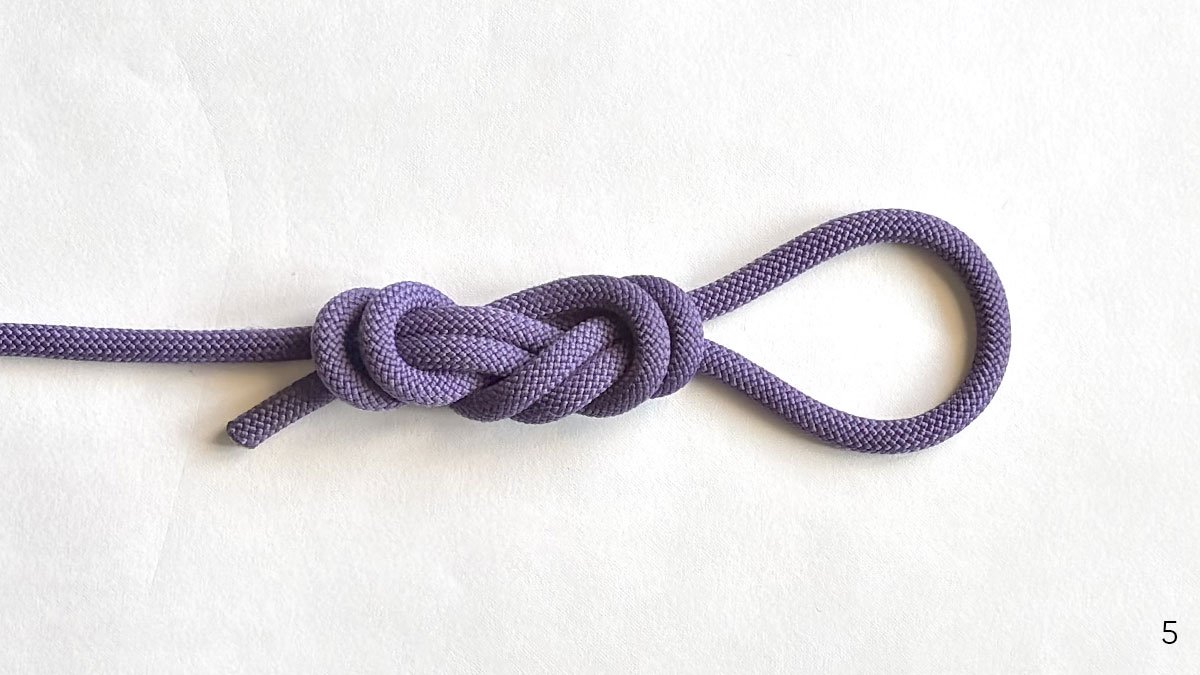
The Figure 9 Loop Knot forms a fixed loop at the end of the rope.
It is tied similar to the Figure 8 Loop except that it has an additional half turn before finishing the knot.
It’s bulkier and stronger than the Figure 8 Loop but is not as widely used.
Let’s learn it in detail.
Figure 9 Loop Knot Details
Type: Loop Knot
Other Names: Figure of Nine Loop
ABoK Reference: Not Available
How to Tie Figure 9 Loop Knot

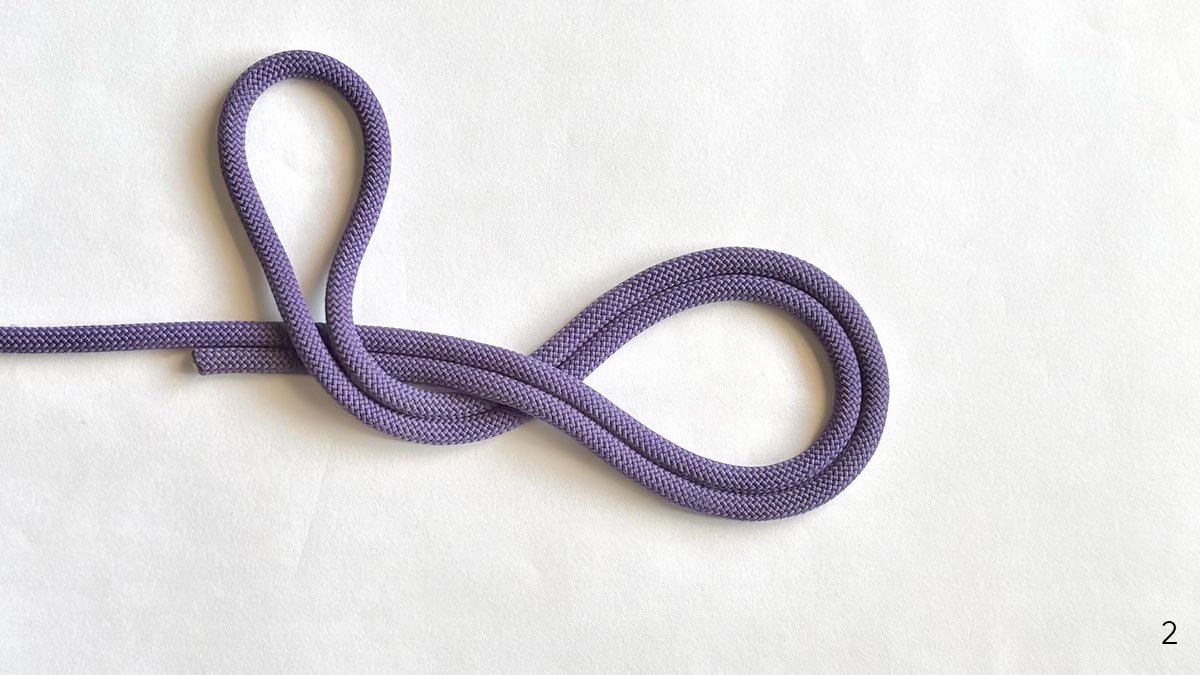
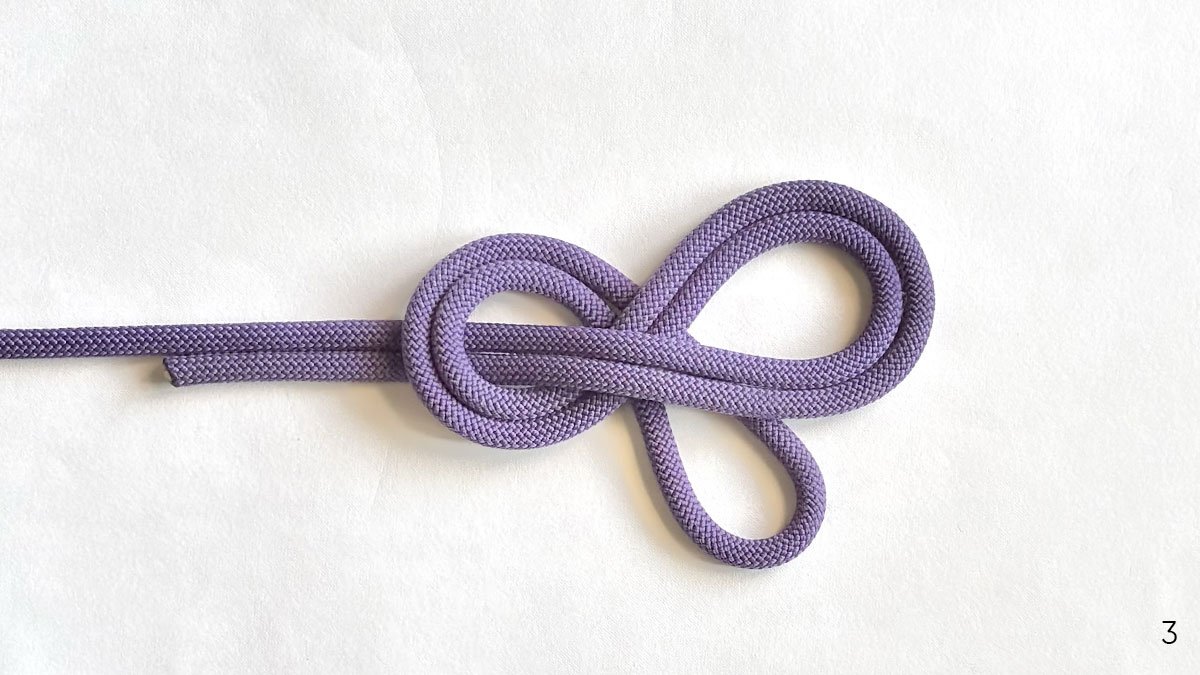
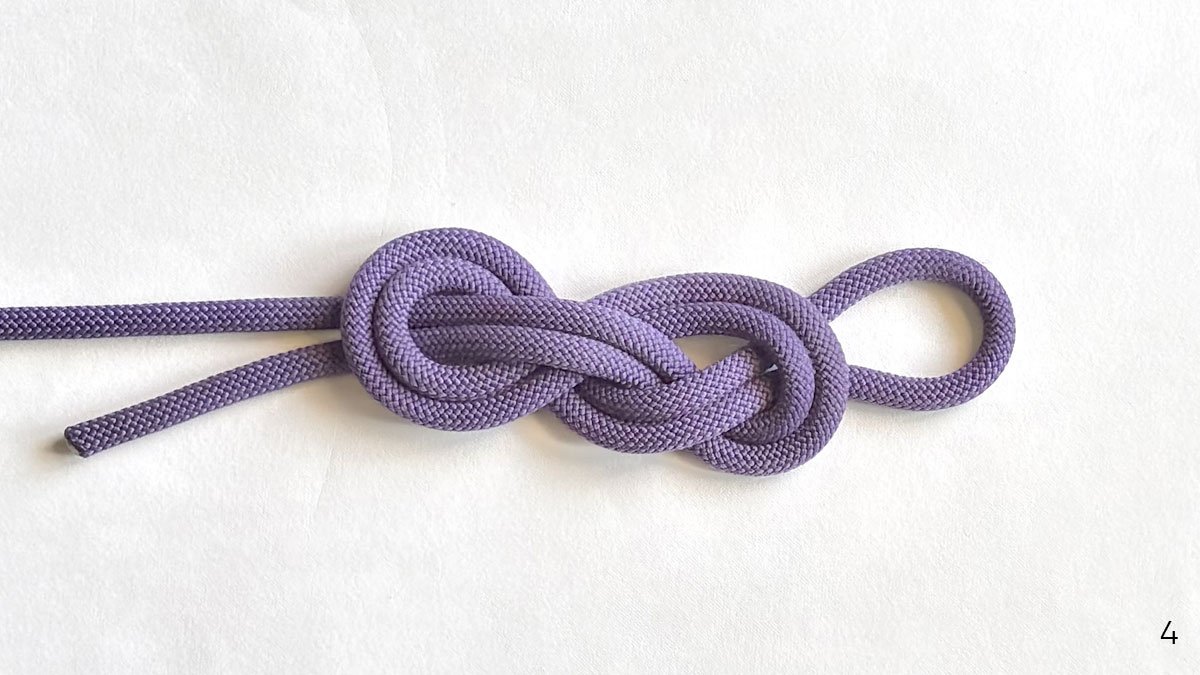
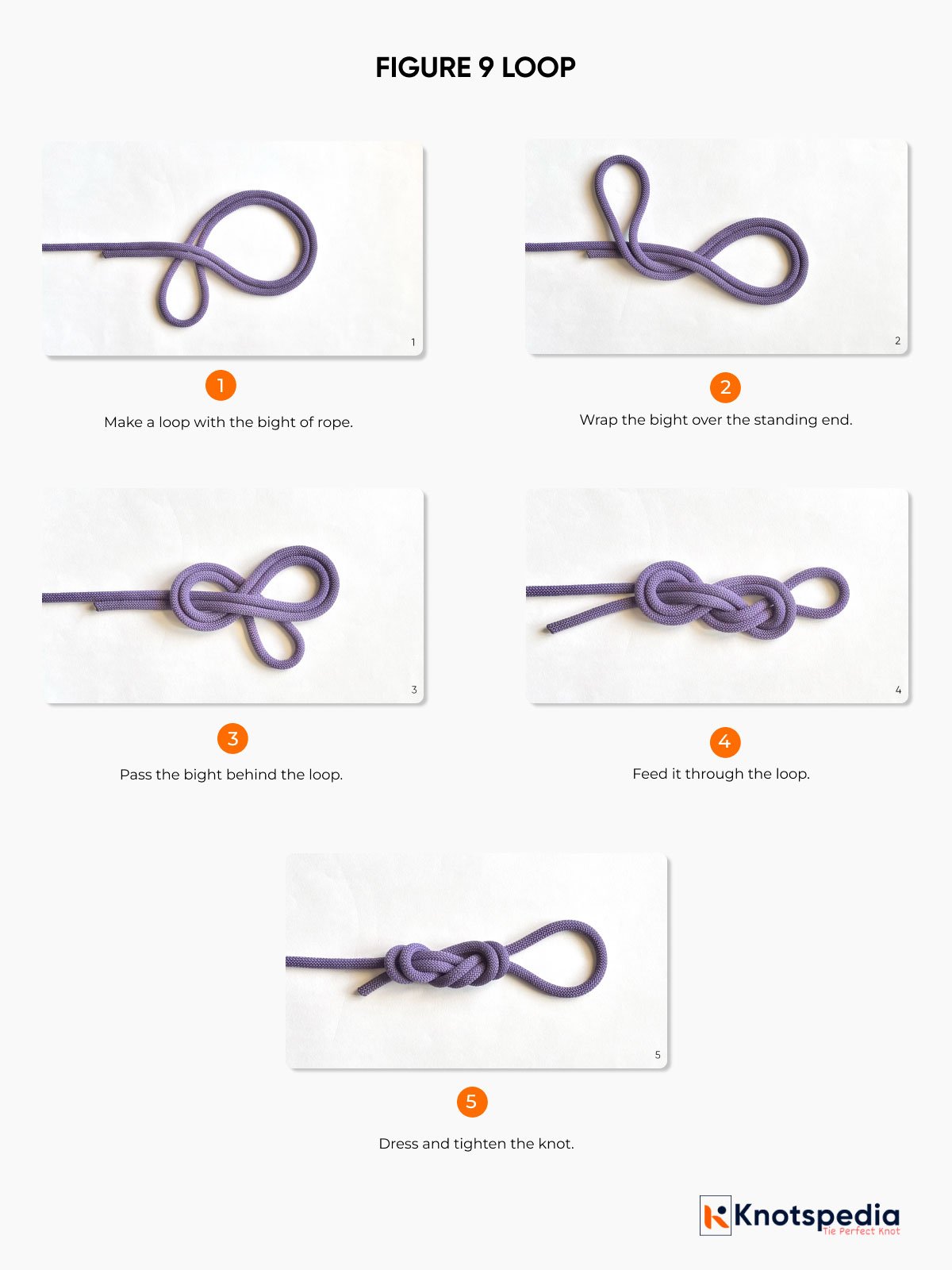
- Make a loop with the bight of rope.
- Wrap the bight over the standing end.
- Pass the bight behind the loop.
- Feed it through the loop.
- Dress and tighten the knot.
Figure 9 Loop Knot Step by Step
Tightening Tips
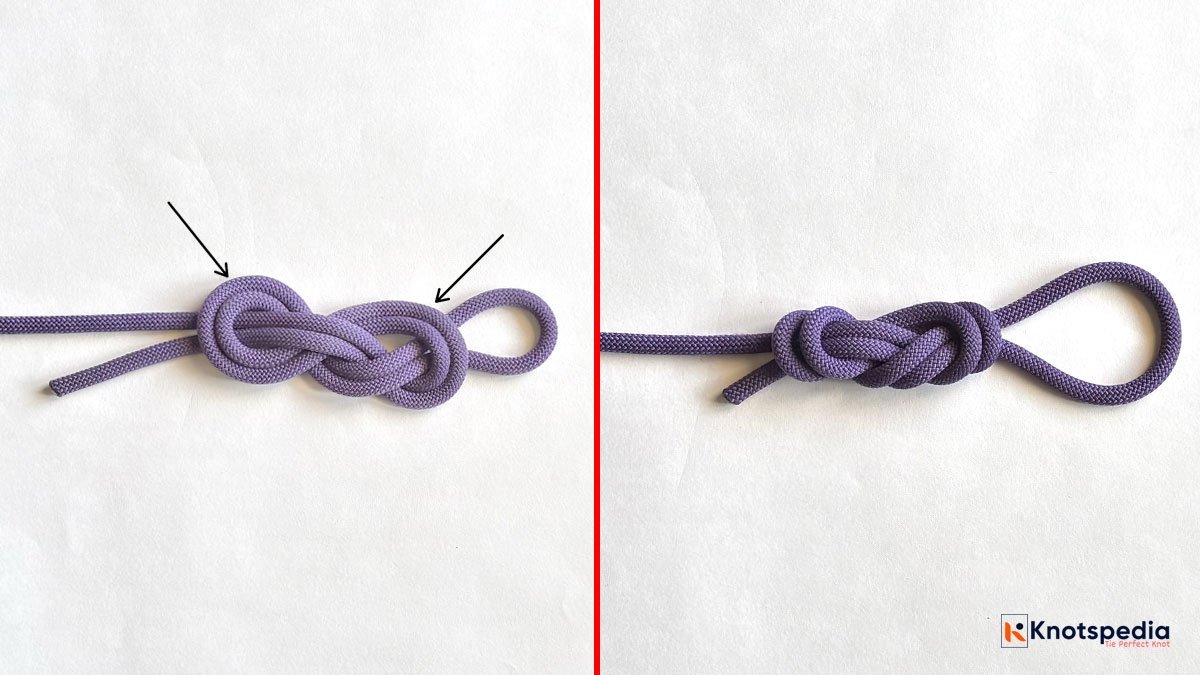
When you are dressing the knot, make sure the two outer loops should sit tight against the ropes they enclose.
Pros & Cons
- Easy tie and untie.
- Retains 70% of the rope strength.
- Works best with thin ropes.
- Bulkier and uses more rope than the Figure 8 Loop
- Not popular, so it might be confusing for most people
- Difficult to inspect for errors
- Does not work well with heavy and stiff rope
Figure 9 Loop Knot Uses
- As a Figure 8 Loop Alternative: Some climbers use it as an alternative to the standard Figure 8 Loop
- Rappeling: Attach rope to an anchor point while rappelling
- Caving Works: Used in caving for search and rescue operations.
- As a Stopper Knot: Used as a stopper knot if tied with a single strand
Figure 9 Loop Knot vs Figure 8 Loop Knot
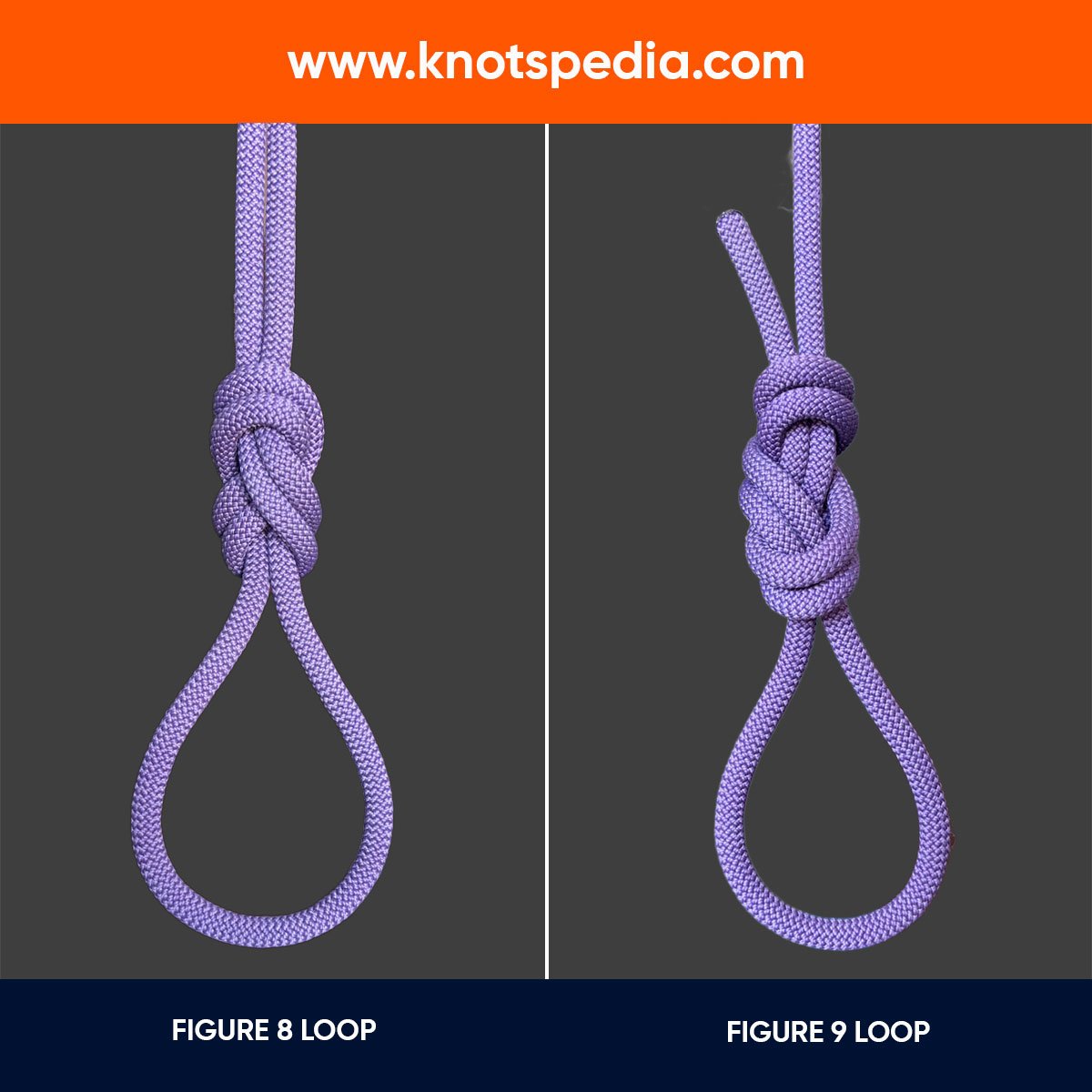
| Figure 8 Loop Knot | Figure 9 Loop Knot | |
| Strength | 60-70% of the breaking strength of the rope | 70-80% of the breaking strength of the rope |
| Ease of tying | Quick and easy to tie for beginners | Slightly complicated for beginners |
| Ease of untying | Tends to jam after heavy loading | Easier to untie even after heavy loading |
| Rope usage | Uses less rope | Uses more rope |
| Inspection | Easy to inspect | Hard to spot mistakes and looks wrong even when tied correctly |
| Applications | Used as a standard tie-in knot in climbing | Used as an end loop in caving for search and rescue situations |
| Popularity | Popular and ideal for teaching | Less popular in teaching due to complexity |
Liked the Article? Bookmark it or Share it with your family and friends!