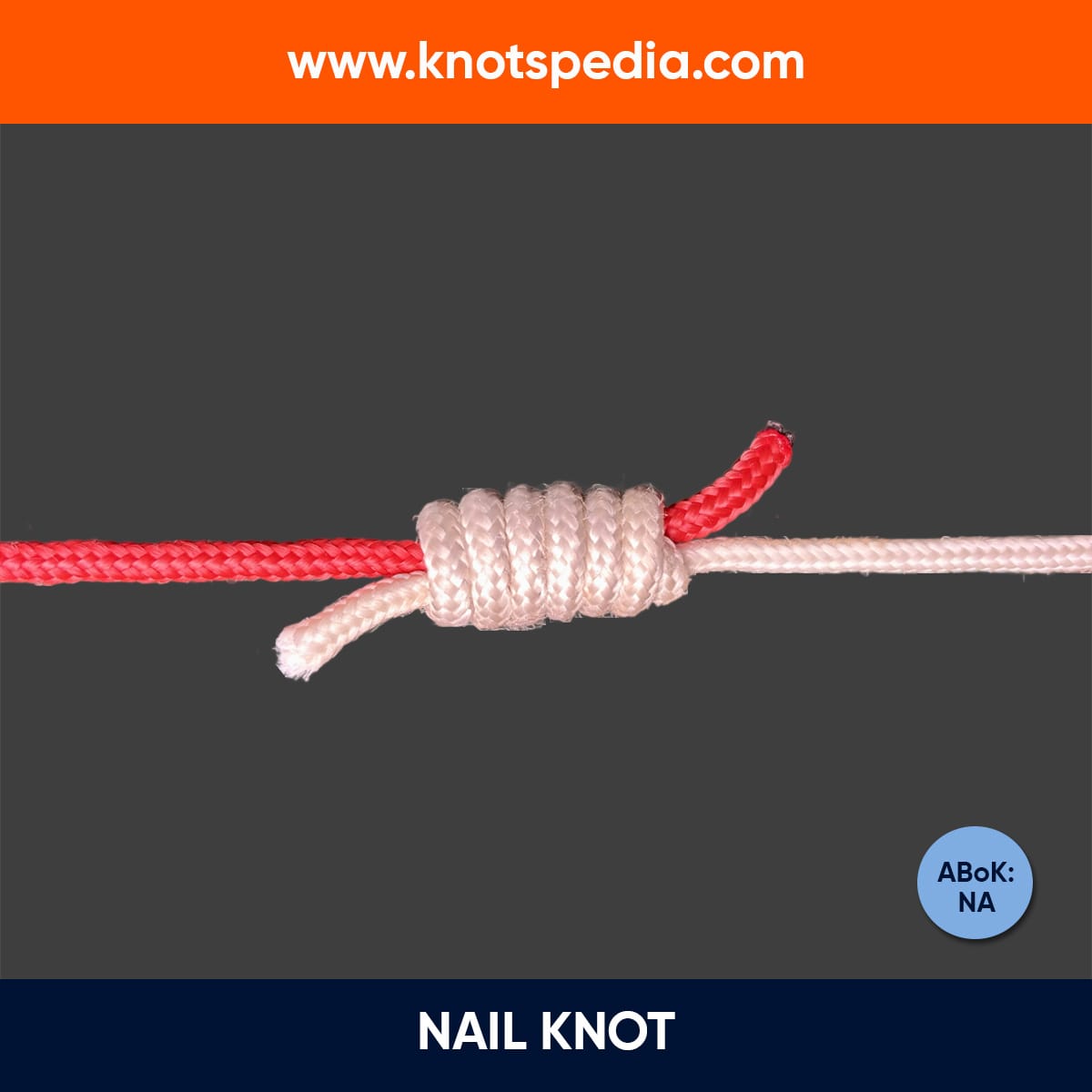

The Nail Knot is used to join two fishing lines of different diameters.
Most often, you’ll see it tying the leader butt of a monofilament line to the fly line, or the backing to the fly line.
Its slim, strong, and streamlined profile moves through the guides on the fly rod easily, which is why it’s popular among anglers.
The name “Nail Knot” comes from the way it was originally tied using the actual nail or a similar object, like a tube or a straw.
Let’s learn it in detail.
Nail Knot Details
Type: Fishing Knot
Other Names: Tube Knot, Gryp Knot, Needle Knot
ABoK Reference: NA
How to Tie the Nail Knot


- Overlap the lines.
- Hold the tube and the line together.
- Wrap the line around the tube and both lines.
- Make another 5 close wraps, working from left to right.
- Pass the tag end through the tube. Make sure the knot is tight around the tube.
- Withdraw the tube from the wraps slowly.
- Tighten the knot and trim the ends near the knot.
Note: Always moisten the knot before tightening. It will help help reduce friction and heat build up that may damage the line.

If you use this knot often, get yourself a nail knot tool. It makes the process faster and easier.
Applications and Uses
It’s commonly used in fly fishing setups. Here’s where it is commonly used:
- Attach two fishing lines of different diameters, like attaching the fly line to the leader or tippet.
- Connect the fly line to the backing line.
- Connect lines to swivels or hooks.
- Make a bobber stop knot.
- Splice a mono leader into a hollow braid.
Pros & Cons
- Smooth and compact.
- Binds the fly line to the leader under strain.
- Passes easily through the rod guides.
- Does not slip when tied properly.
- Simple to tie with a tool.
- Suitable for fluorocarbon lines.
- Creates minimal bulk, so it reduces snag.
- Difficult to untie, so replacing the leader is tedious.
- Tricky to tie without a tool.
Nail Knot vs Other Knots
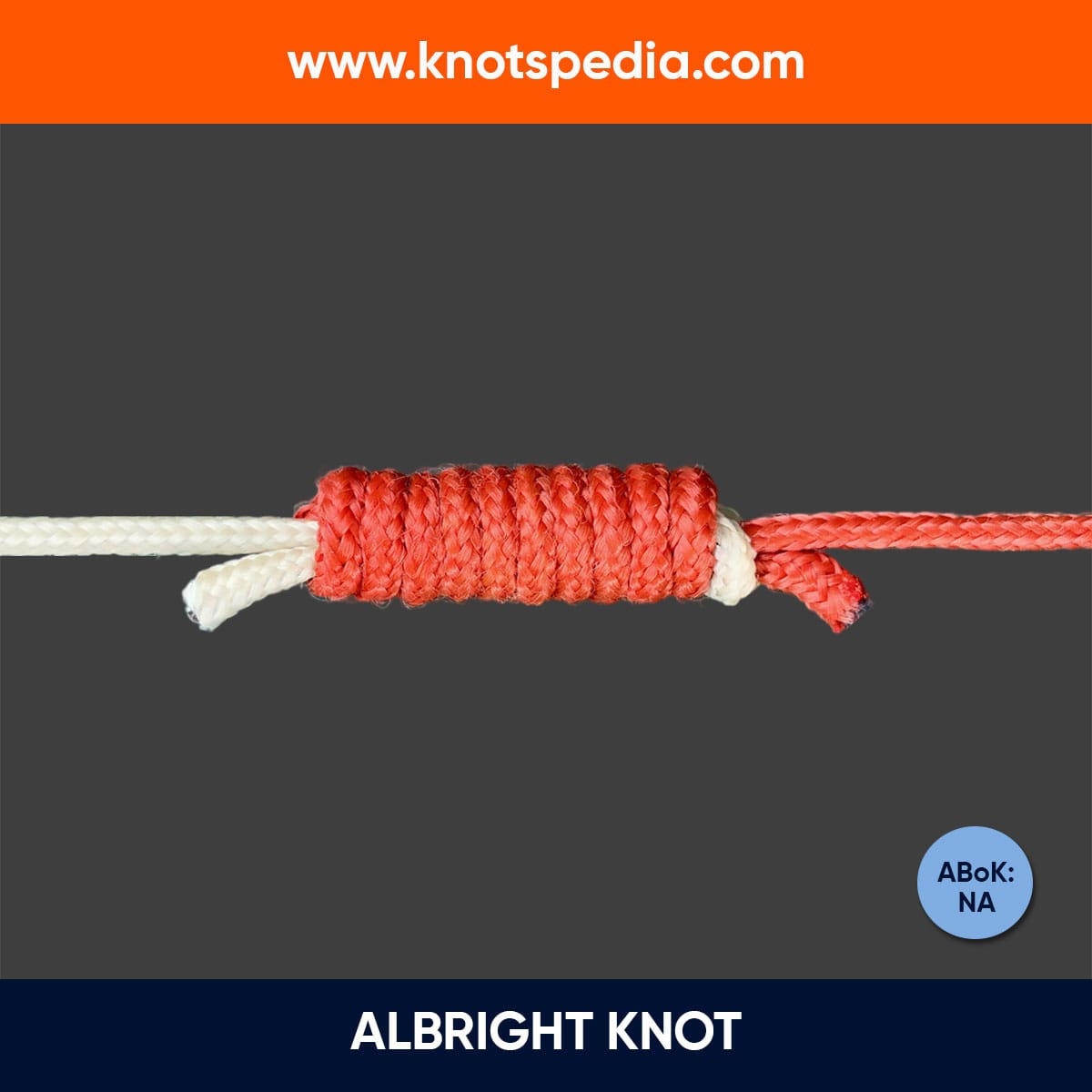
Albright Knot: Less smooth finish than the Nail Knot.
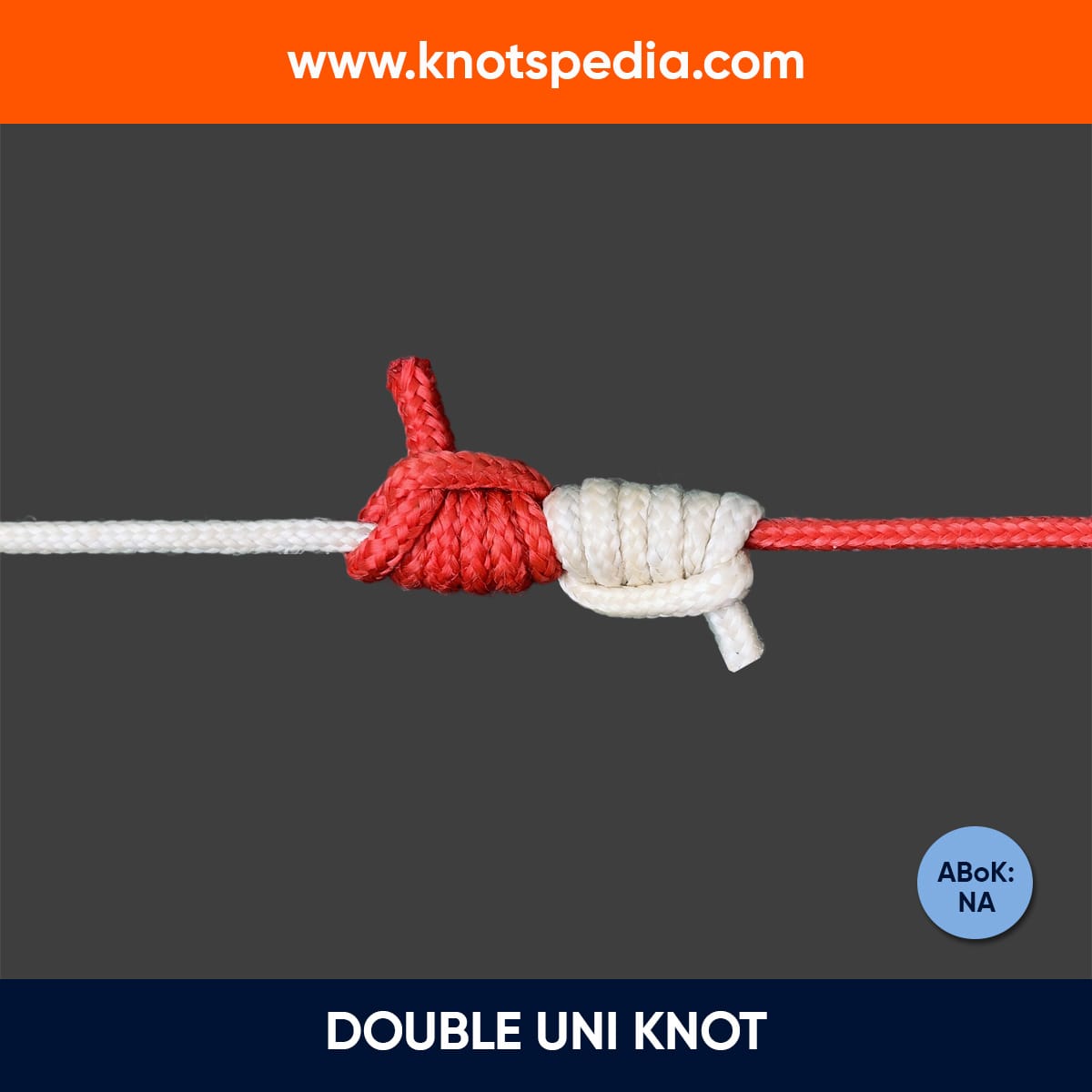
Double Uni Knot: Bulkier and less smooth through the rod guides.
Blood Knot: Effectively joins two dissimilar lines, but the Nail Knot excels when compactness matters the most.
Share the Article!