

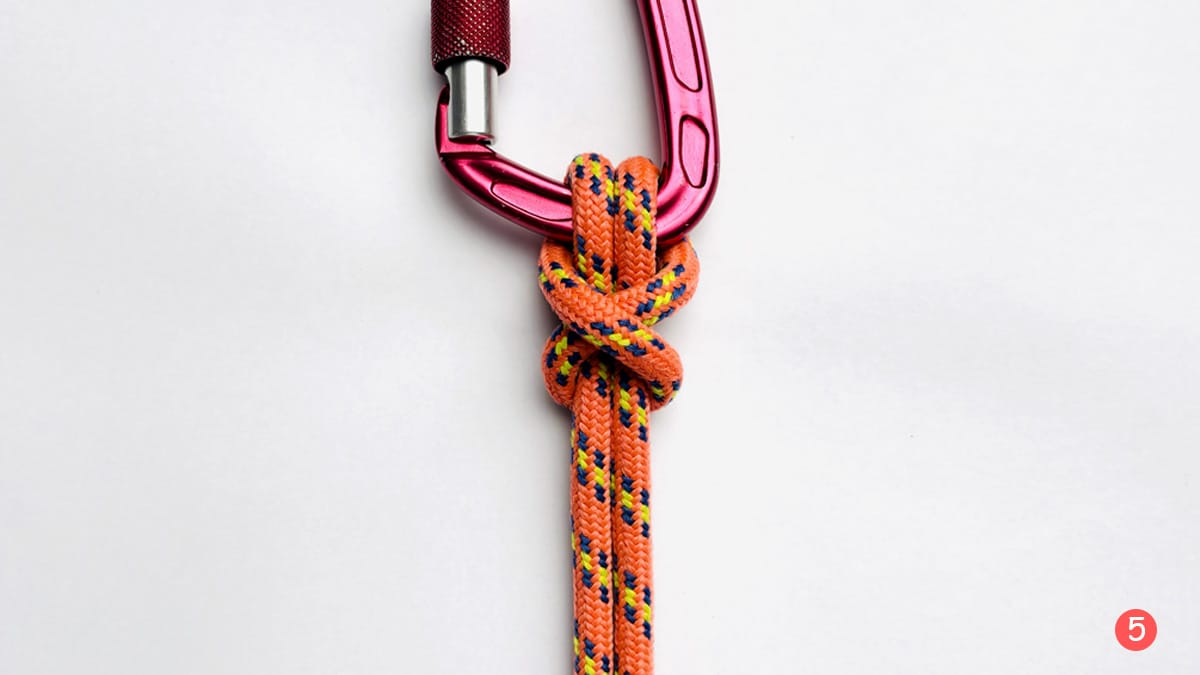
The Bull Hitch is used to attach a rope to an object such as a ring, carabiner, or buckle.
It’s a stronger variant of the Cow Hitch and has a recognizable X-shaped pattern, which provides strength and stability.
It’s mostly used in paracord projects to attach a rope to a ring or a buckle.
Let’s learn it in detail.
Bull Hitch Details
Type: Hitch
Other Names: Piwich Knot
ABoK Reference: Not Available
How to Tie a Bull Hitch
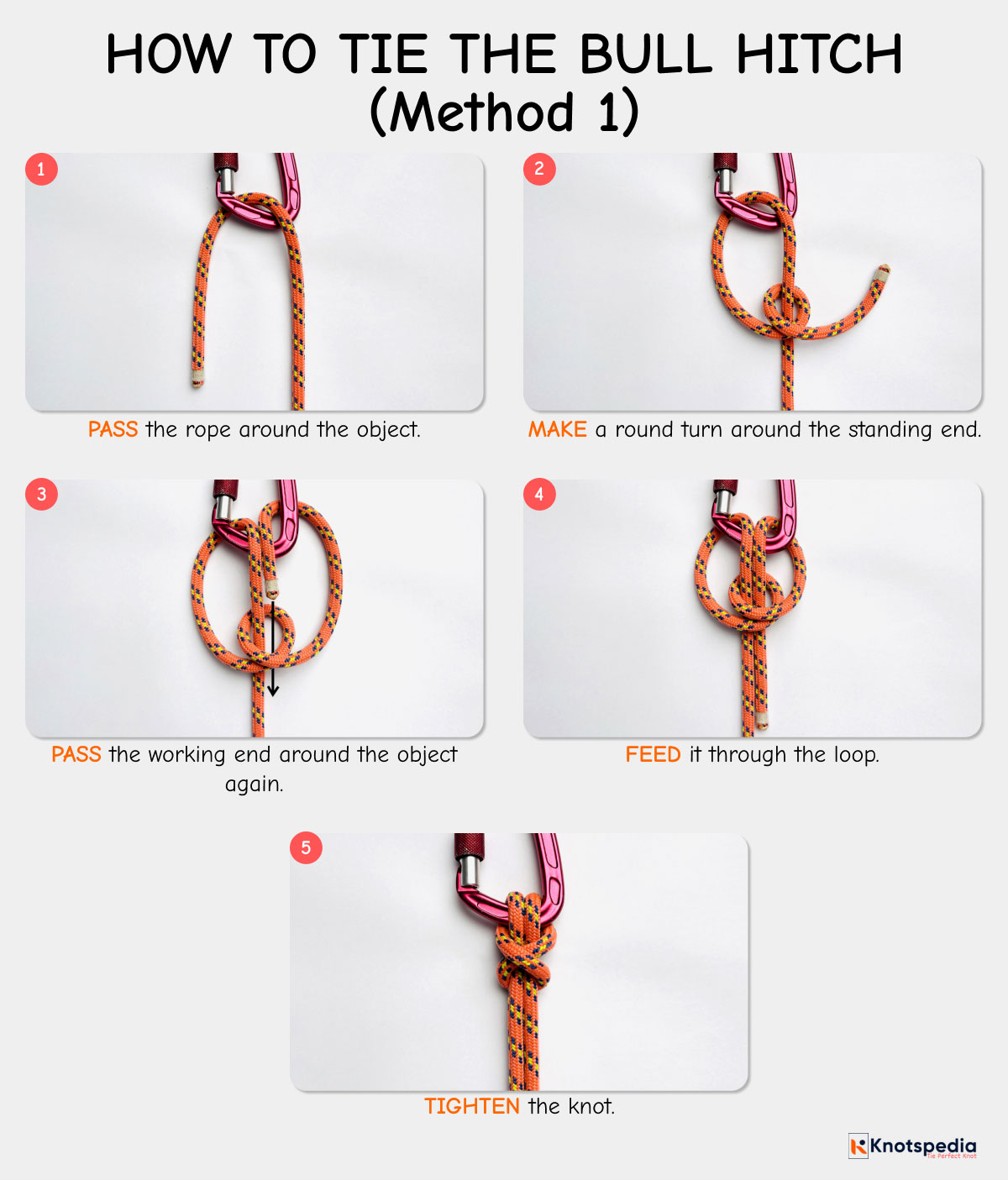
Method 1: This method is used if you have access to the end of the rope.
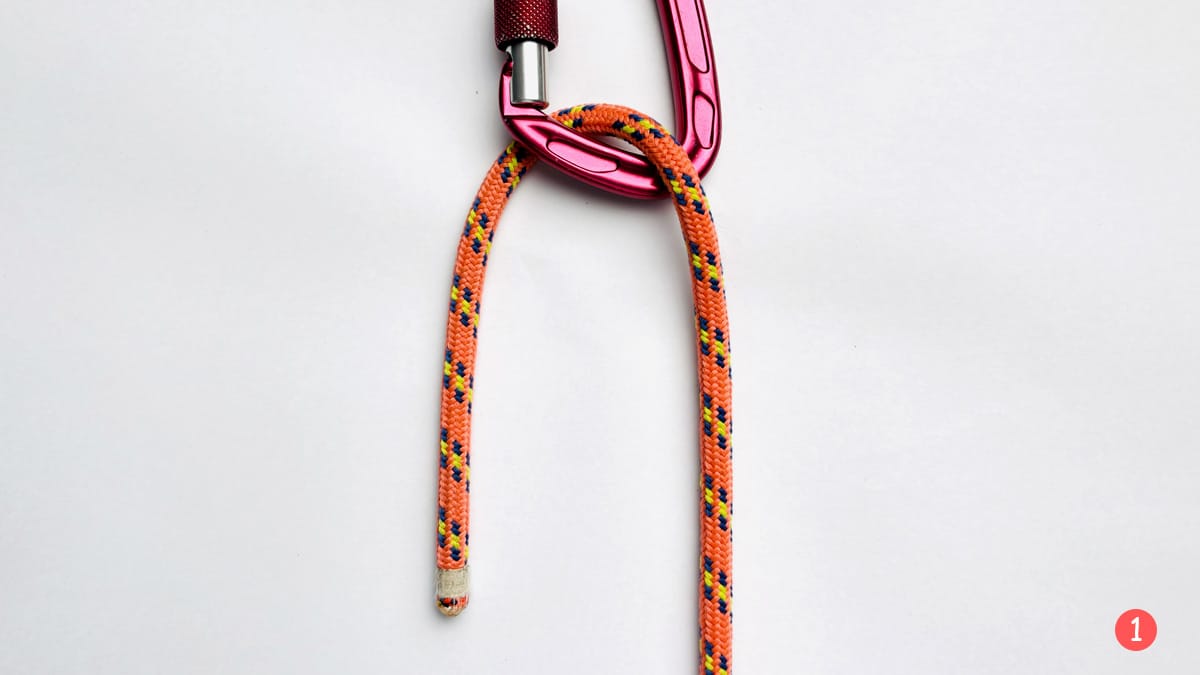
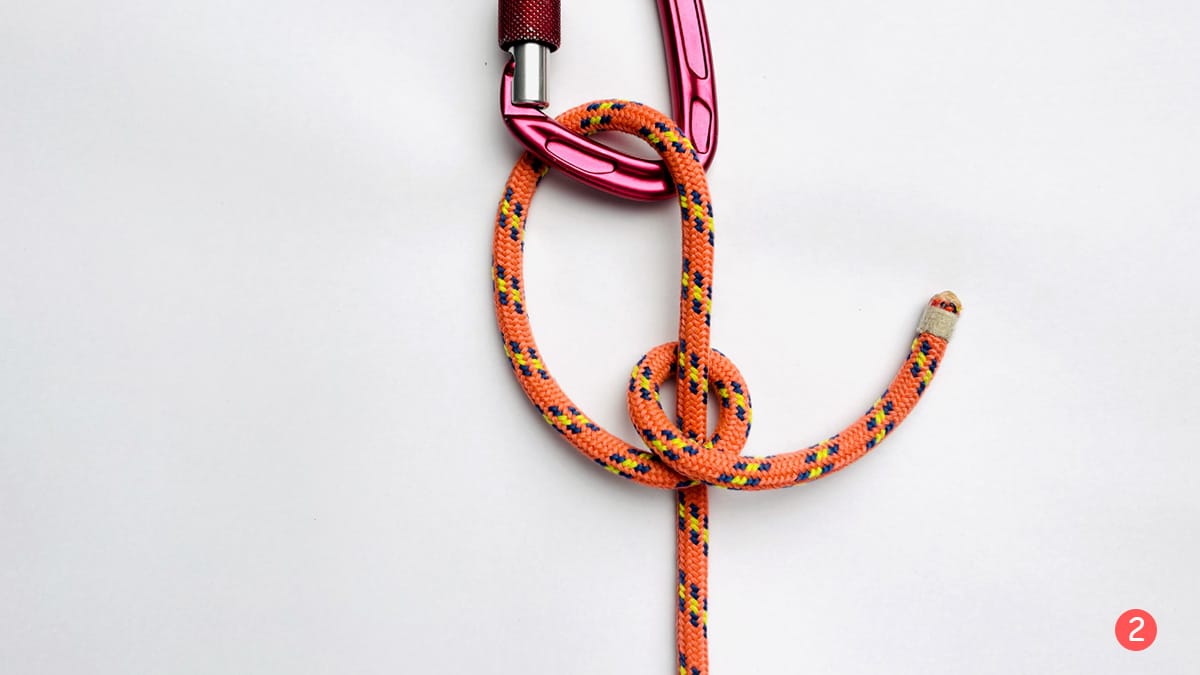
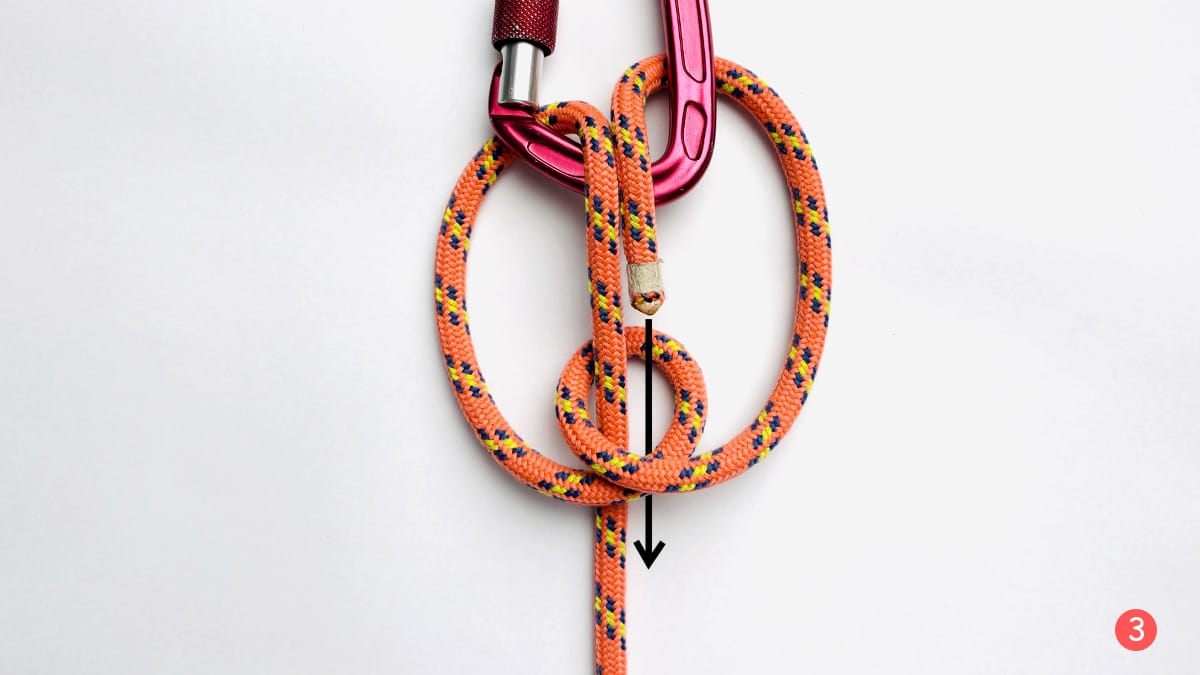
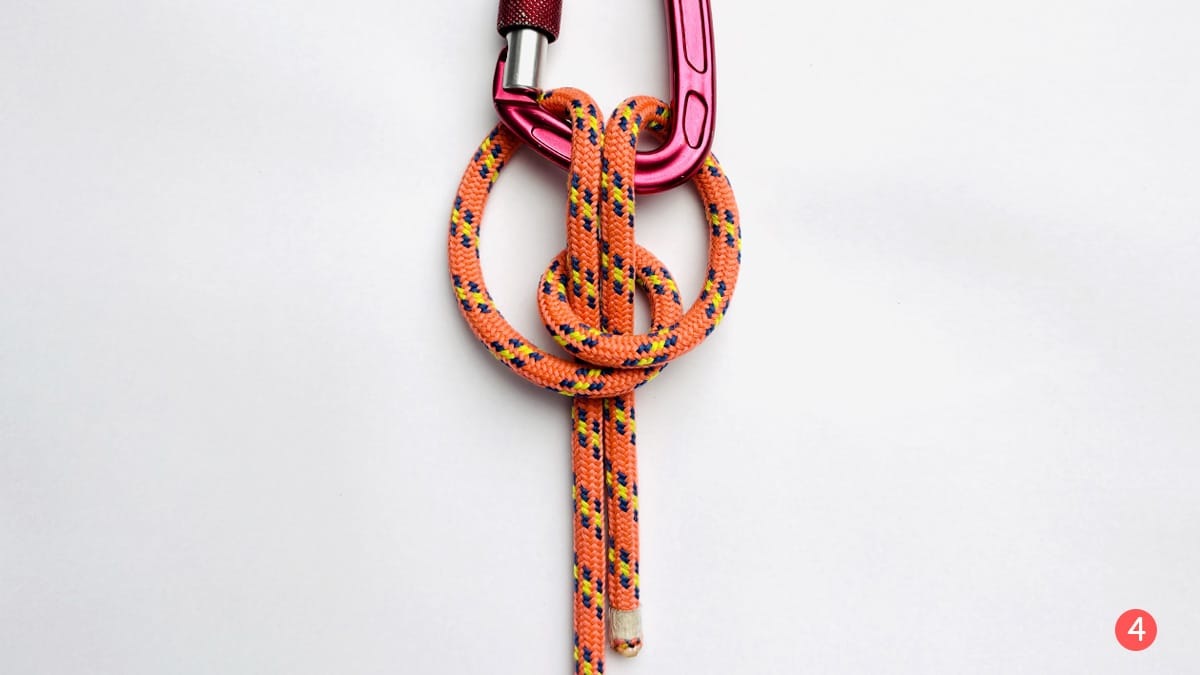
- Pass the rope around the object.
- Make a round turn around the standing end.
- Pass the rope around the object again.
- Feed it through the loop.
- Tighten the knot.
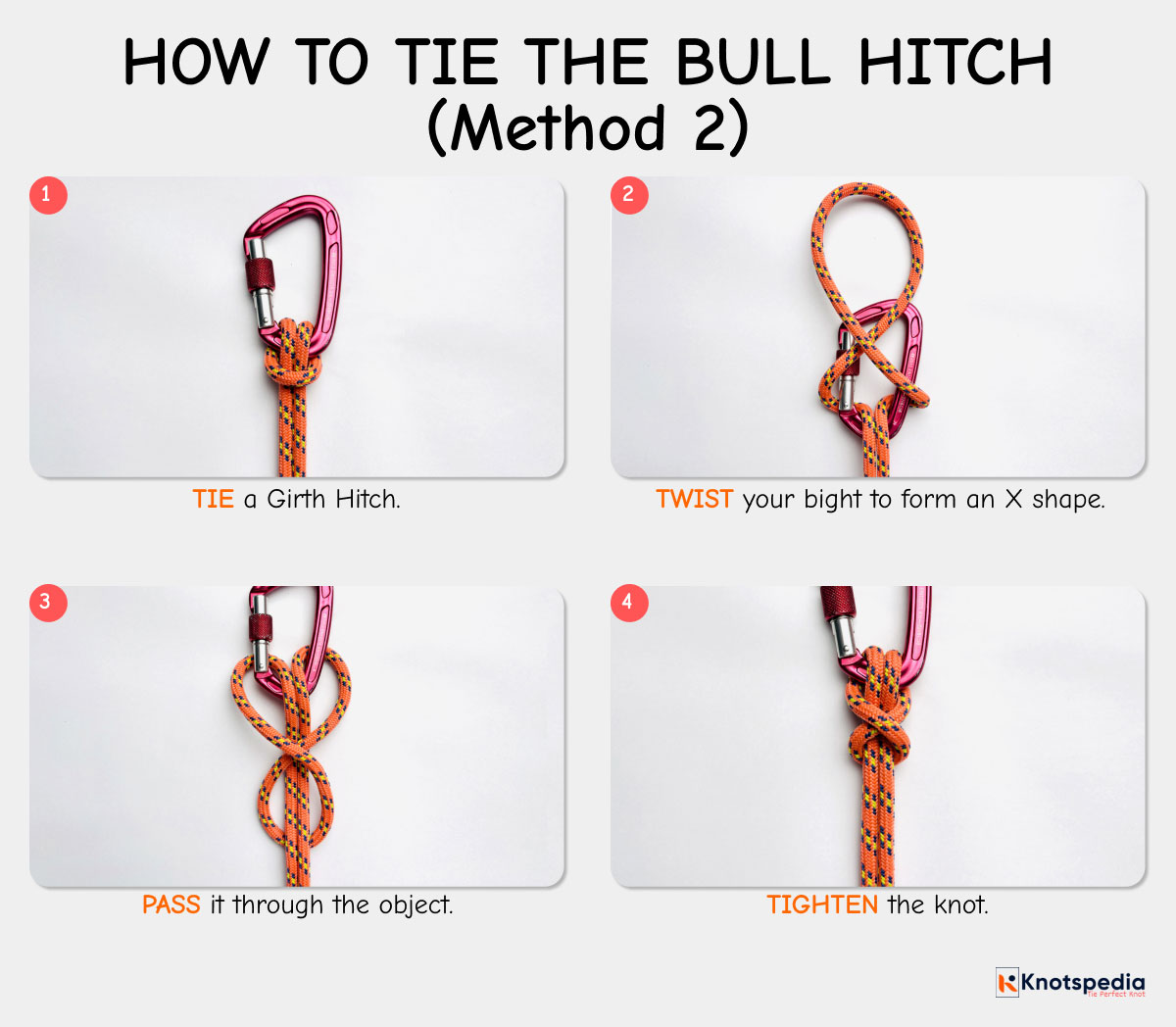
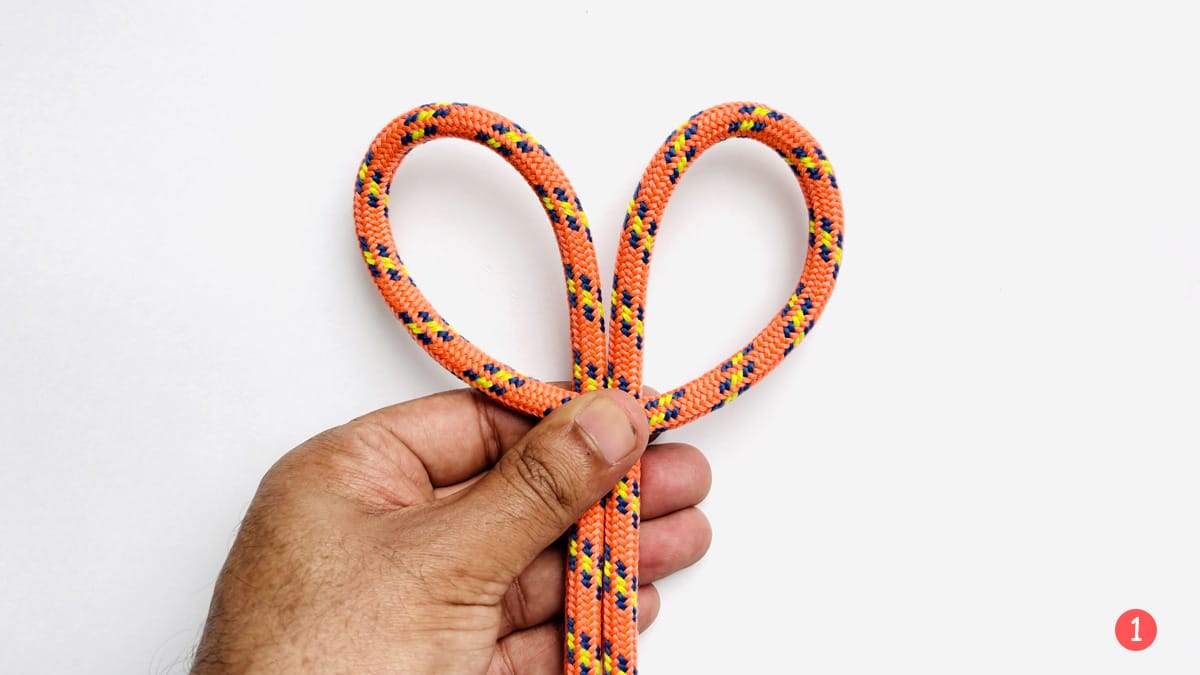
Method 2: If you don’t have access to the end of the rope, use this method.
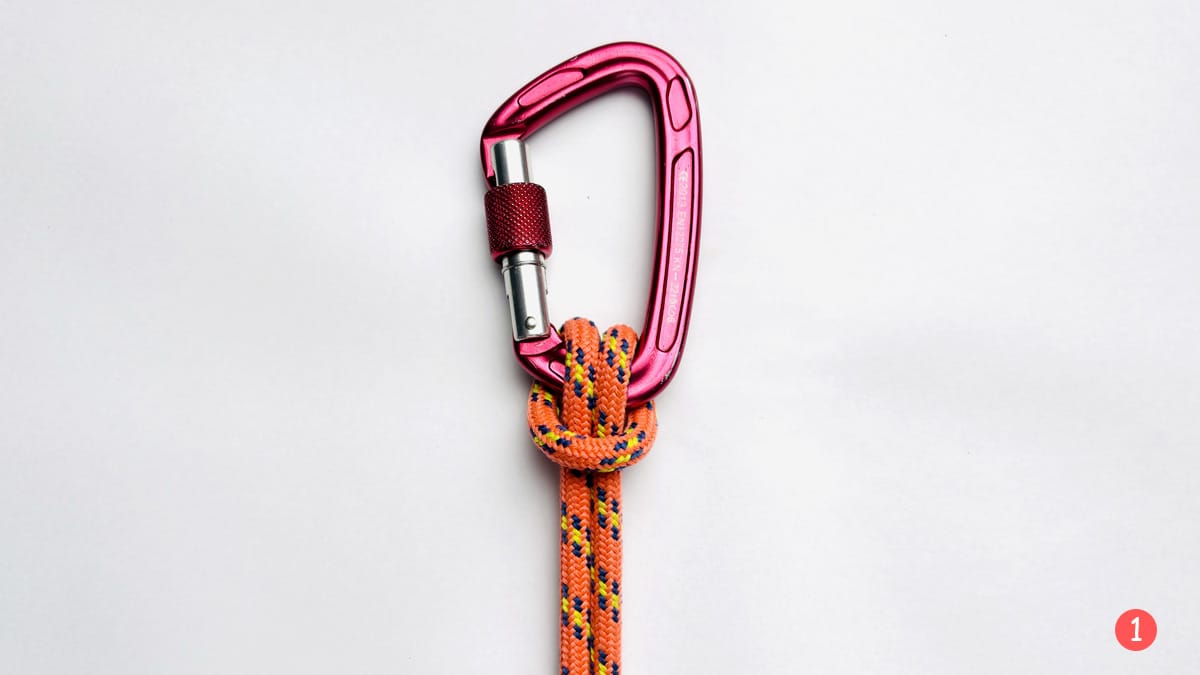
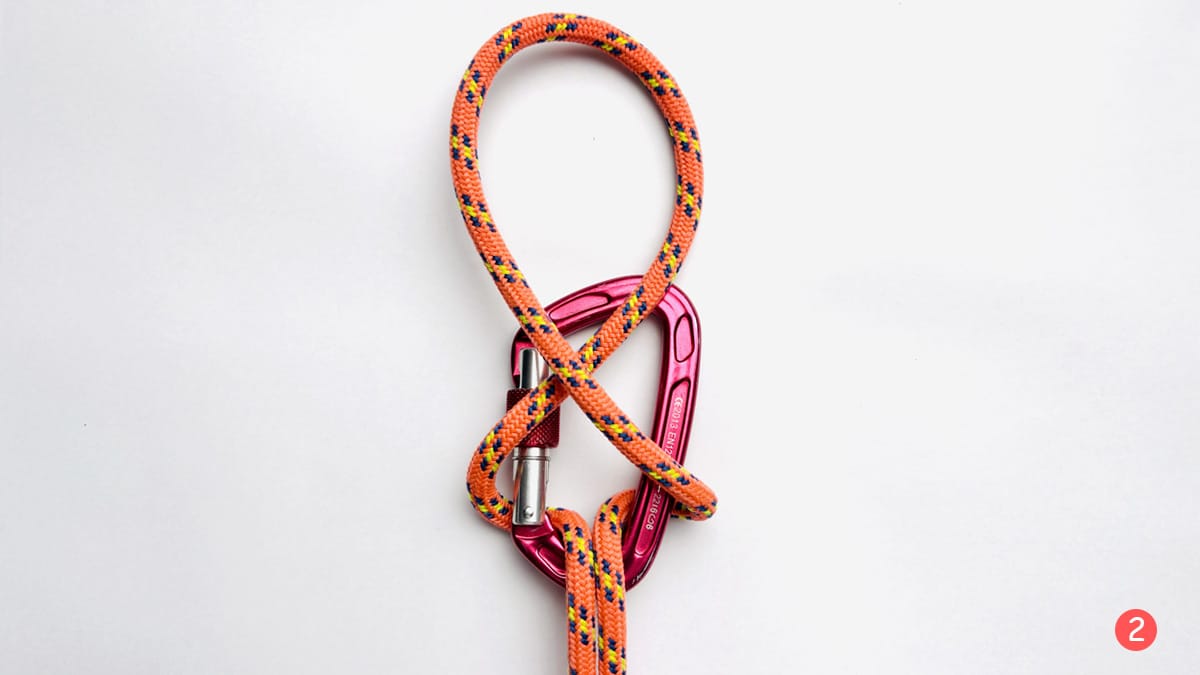
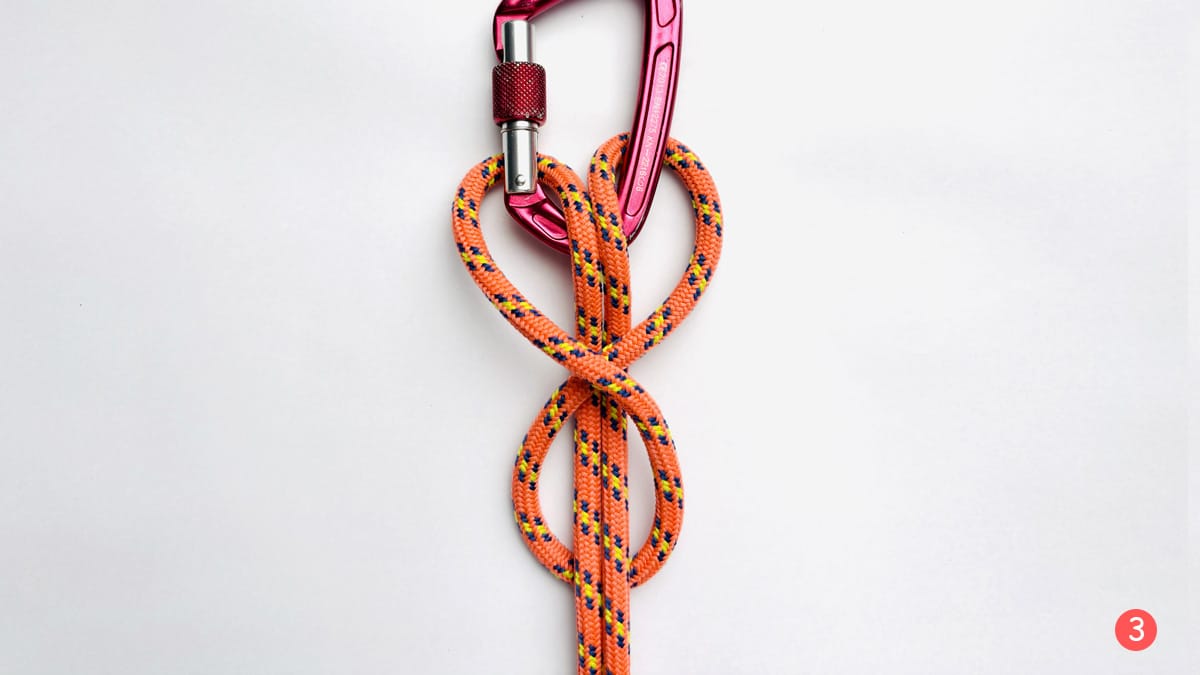
- Make a Girth Hitch.
- Twist your bight to form an X shape.
- Pass it through the object.
- Tighten the knot.
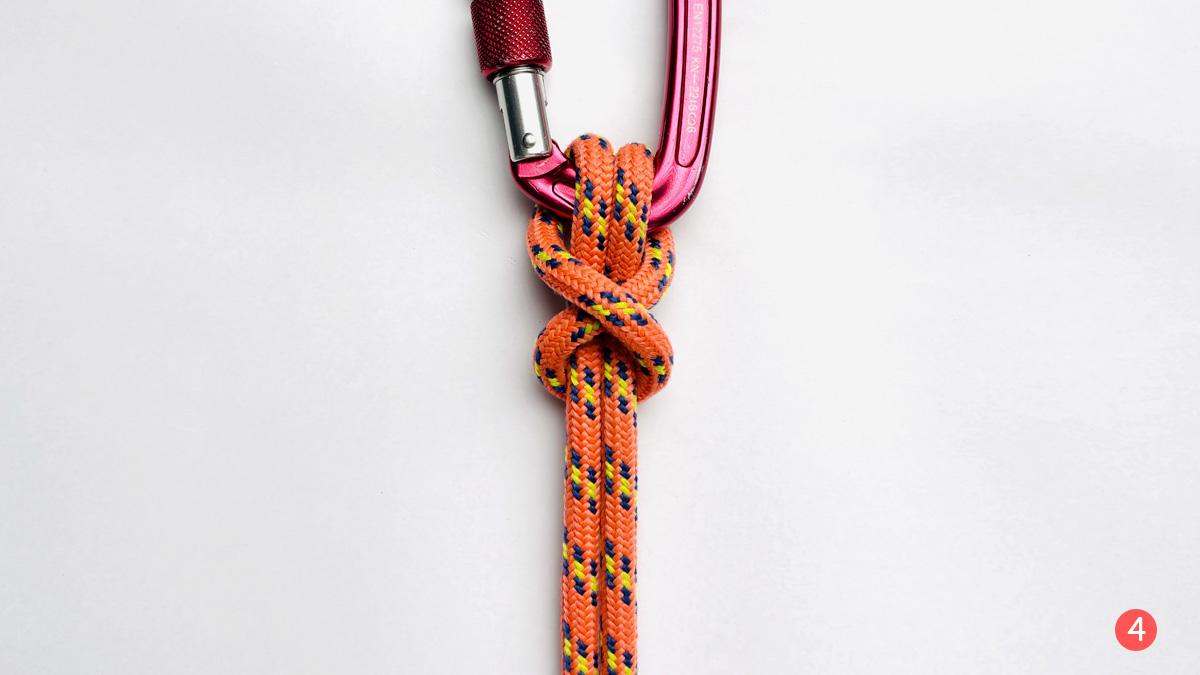
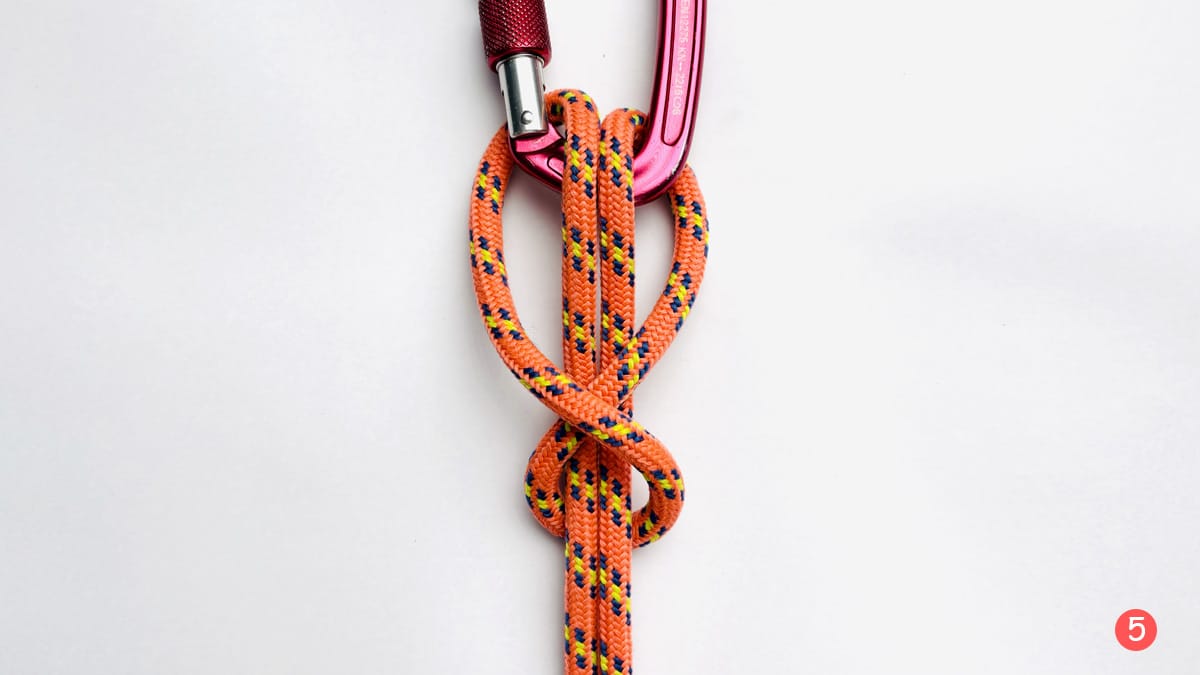
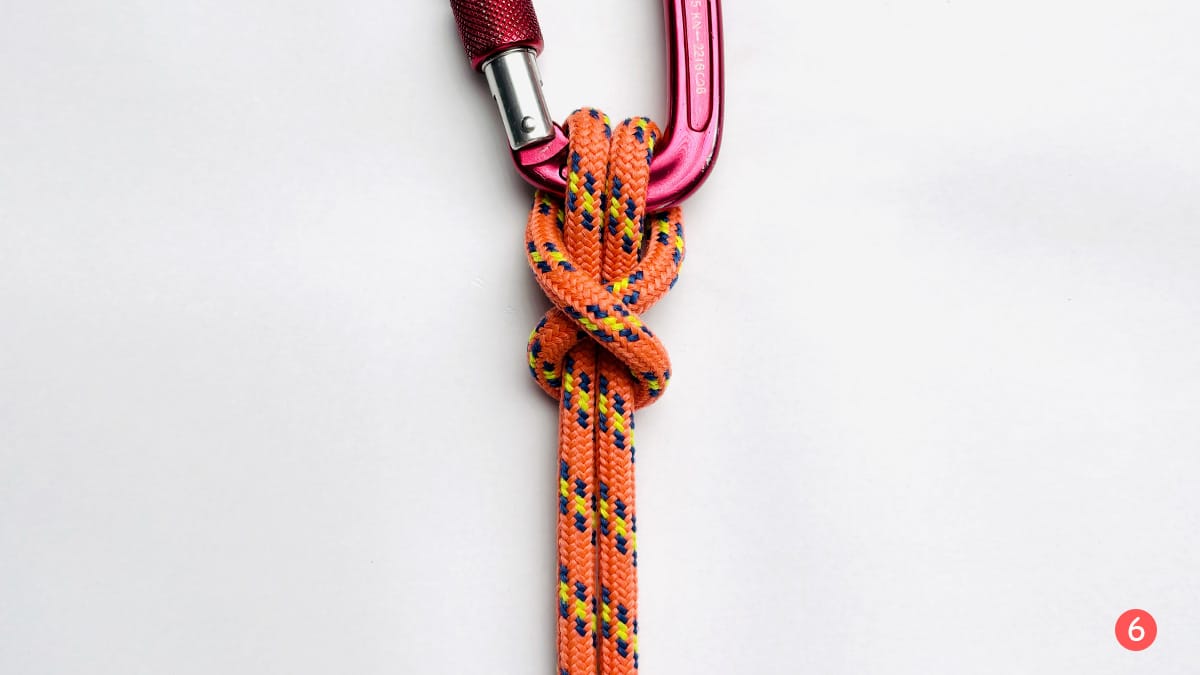
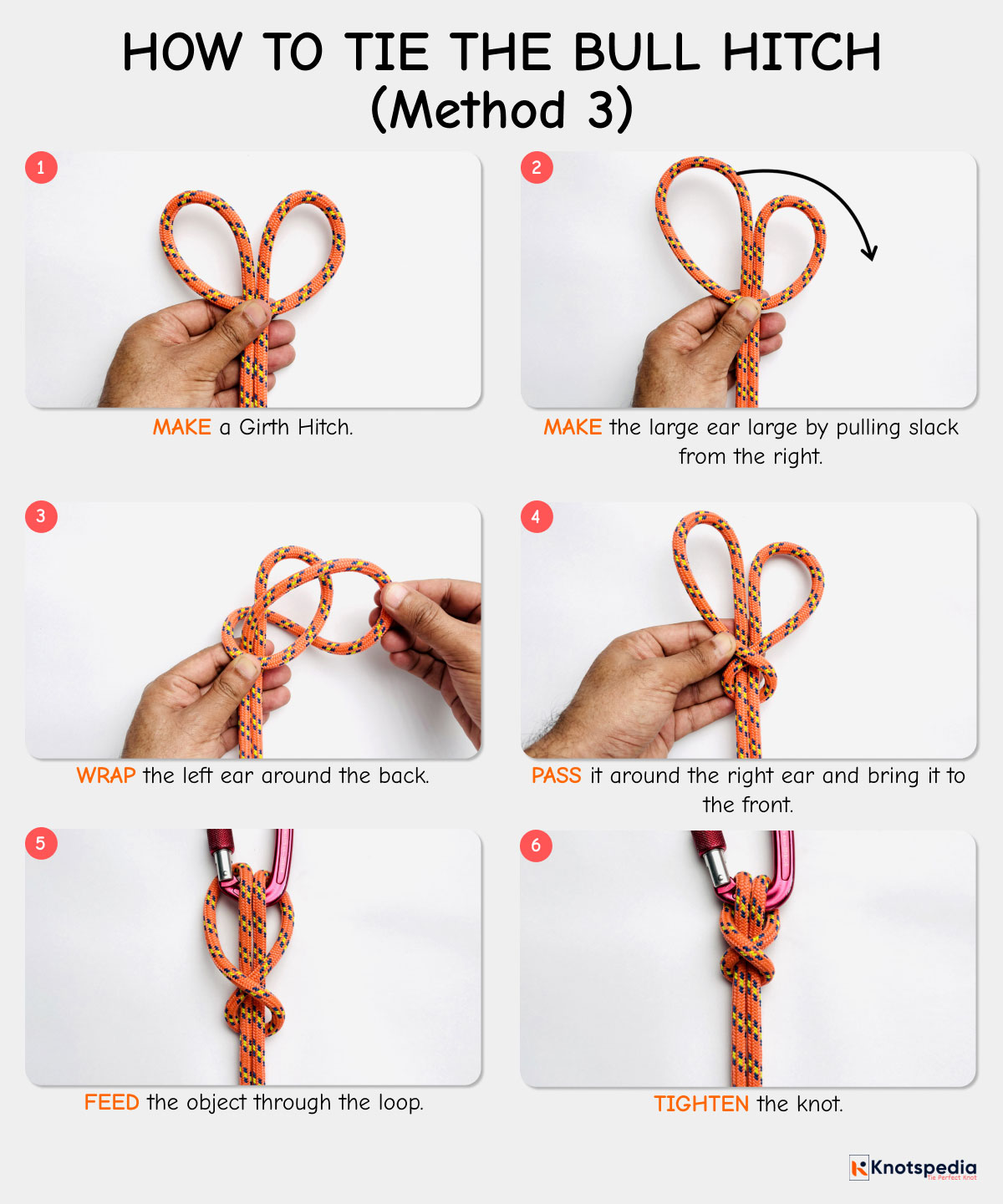
Method 3: If you need to clip your rope into something like a carabiner, this method will work best.
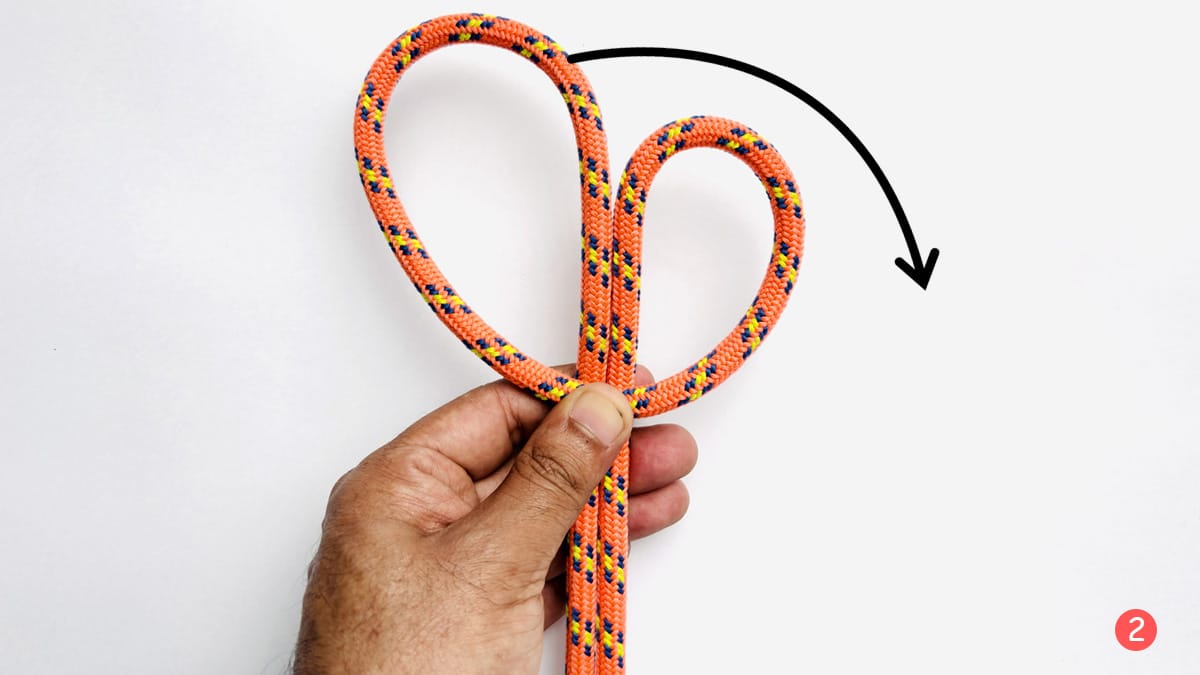
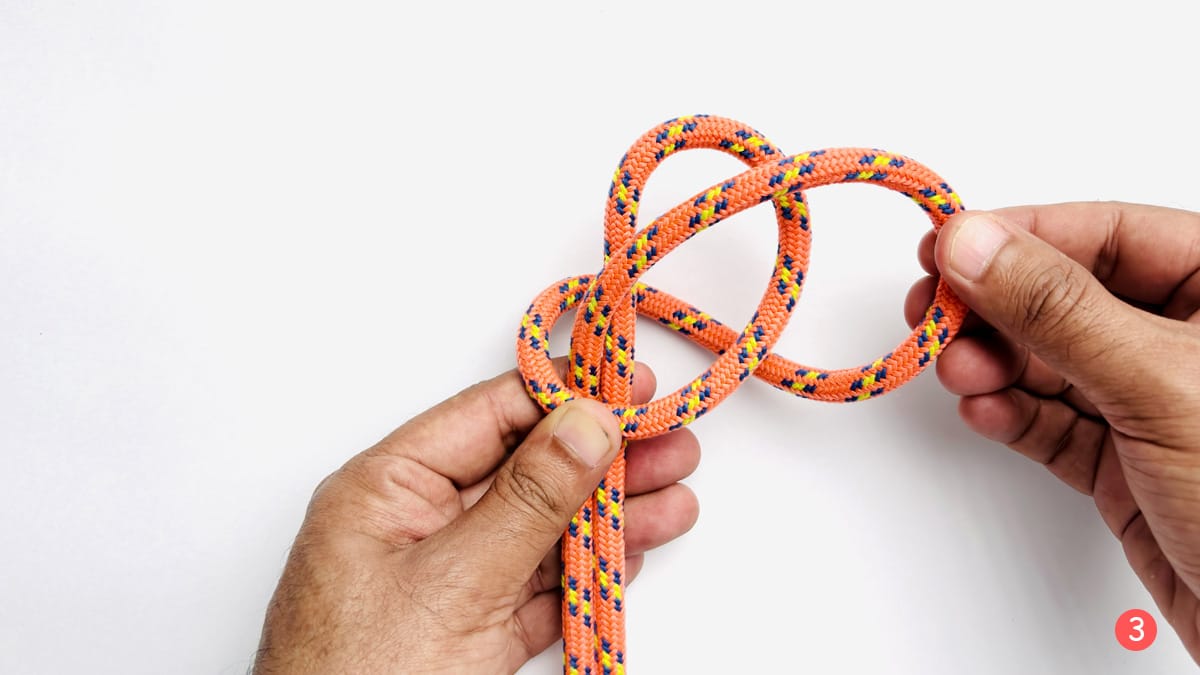
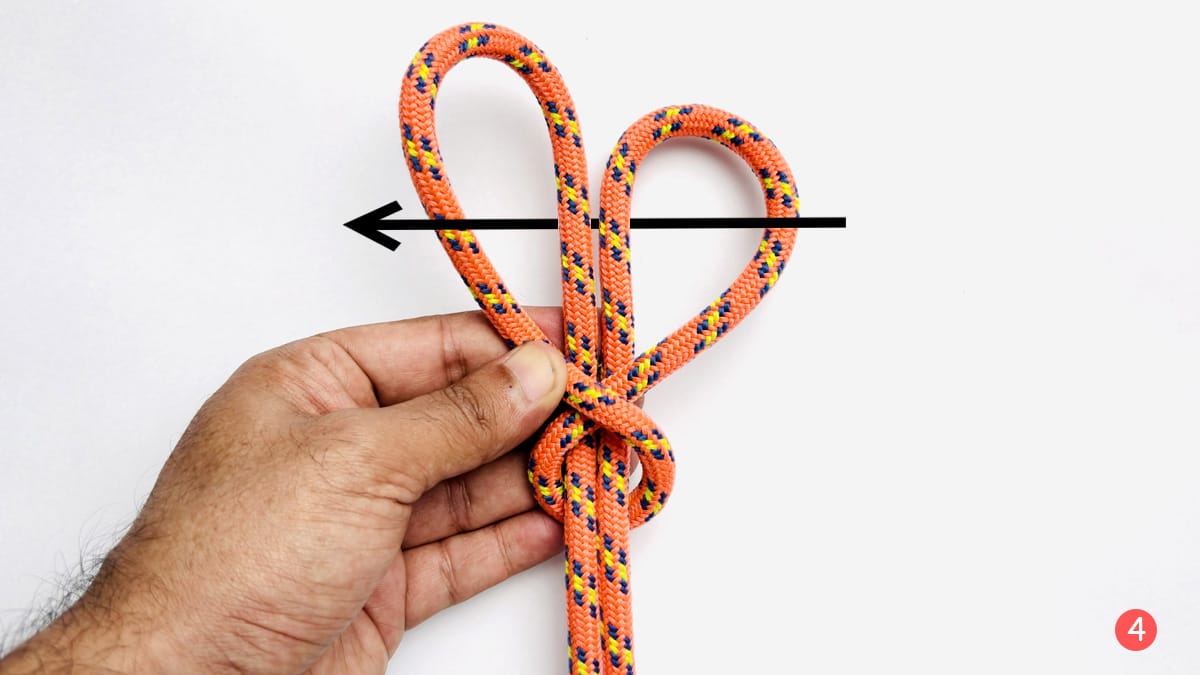
- Make a Girth Hitch.
- Make the large ear large by pulling slack from the right.
- Wrap the left ear around the back.
- Pass it around the right ear.
- Pull your finger through the loop.
- Clip it into a carabiner and tighten the knot.
Pros & Cons
- Strong and secure.
- Easy to inspect if tied correctly.
- Handles dynamic loads well.
- Does not slip even under single-leg loading.
- Complex to tie than the Cow Hitch.
Application and Uses
The Bull Hitch is used in climbing, camping, and everyday applications where you need to attach a rope to an object.
It’s mostly used in paracord projects to attach a cord to items, like rings, buckles, or carabiners.
Cow Hitch vs Bull Hitch
| Cow Hitch | Bull Hitch | |
| Strength | Does not handle the dynamic load well | Stronger due to balanced load distribution |
| Security | Prone to slipping | Less prone to slipping |
| Ease of tying | Easy to tie and untie | Slightly more complex |
| Dynamic load handling | Not ideal for single-leg loading as it may slip | Handle dynamic load well |
| Single leg loading | Best for two-leg loading situations. | Preferred when strength and security are needed |
| Applications | Handles single-leg loading better | Preferred when strength and security are needed |
Liked the article? Bookmark it or Share it with family and friends!




love the way you teach, its very easy to understand and follow
Thank you so much for your kind words!